



First of all, we need to examine the main aspects of the difference between these two types of sprinklers. These aspects include:
- Thermal sensitivity
- temperature
- Size and dimensions
- How to install
- Characteristics of water distribution
- Special services for fire fighting
Based on these features, sprinklers are divided into different categories. In this article, we will briefly review the differences between rapid response and standard sprinklers from the fire department’s perspective.
Physical differences:
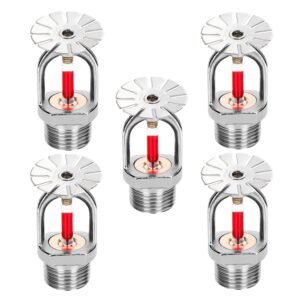
Quick response sprinklers have a 3mm glass bulb, while standard sprinklers have a 5mm glass bulb. A smaller bulb is more sensitive to heat and therefore bursts sooner. For this reason, quick response sprinklers have higher speed and better water distribution.
Functional differences:
In standard sprinklers, after the temperature reaches a certain limit, the bulb bursts and the water is discharged. This sensitivity causes the fire to be extinguished in the early stages and prevents the fire from spreading by moistening the surroundings. The focus of this type is on extinguishing the source of the fire.
In contrast, quick response sprinklers operate faster and are usually recommended for sensitive environments. The response rate of these sprinklers is 50 meters per second or less, which is due to the small volume of their expanding liquid.